



Engine Parts: Starter rope pulls freely / little resistance
If the starter rope in your engine pulls with little resistance, check the plate, pawls, springs and more parts listed in our repair guide to help you fix this problem. If you need specific repair instructions related to your model, refer to the manual provided by the manufacturer.
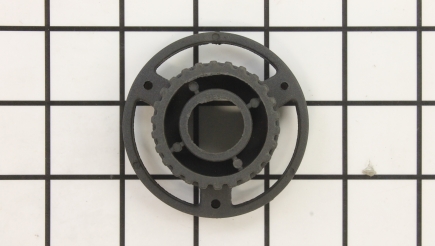
Pulleys
The purpose of the pulley is to house the pull rope and recoil spring. The pull rope winds around the outside of the pulley, while the recoil spring is mounted on the inside of the pulley. If the pulley is broken or cracked, it can malfunction and cause the rope to jam. You will need to remove the starter and inspect the pulley for damage that would cause it to get stuck, and replace it if necessary. To replace the pulley, pull the starter rope all the way out and insert a small screwdriver to secure the recoil spring and pulley. Next, remove the rope, then remove the screwdriver to release any tension on the recoil spring by rotating the spring. Loosen the center bolt to remove the friction plate and remove the old pulley, then install the new pulley by aligning it with the housing post. Next, rotate the pulley to tighten the recoil spring, insert the screw driver, and attach the rope. Then, allow the rope to wind up slowly, and re-install the starter back onto the engine. ... Read more
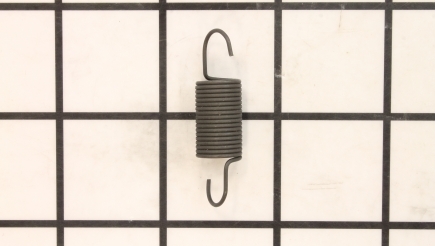
Springs
The springs are designed to pull back the starter pawls. When the starter turns, centrifugal force forces the pawls outwards, locking them onto the flywheel so it can start the engine. When you let the rope go, the springs pull the ratchet pawls back in. If the spring is damaged, the rope will not be able to retract. To replace these springs, first remove the bolts fastening the starter down, and remove the starter. Pull the starter rope, watch for the pawls to come out, then retract when you let go of the rope. If the pawls do not retract, the springs need to be replaced. To do so, remove the center bolt and cap, then remove the ratchet pawls, and use pliers to pull out the old springs. Then, install the new springs, re-install the pawls, and re-assemble. Now, re-install the center bolt and cap, then re-install the starter back onto the engine. ... Read more
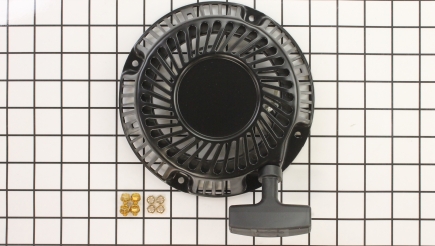
Starters
The purpose of the starter is to turn the engine over and allow it to run on its own. Pulling the rope engages the pawls inside the starter, which locks onto the flywheel and turns the engine over. The recoil spring then retracts the rope. Replacing the starter is the quickest and the easiest way of getting your engine to run again without repairing the smaller pieces themselves. To replace the starter, simply remove the bolts holding it down, then remove it.
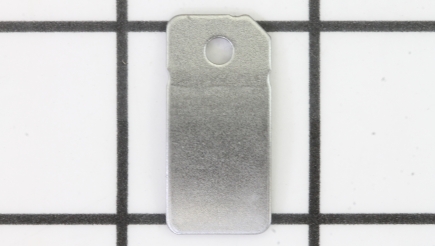
Plate
The friction plate or drive plate is part of the housing for the springs and pawls inside the starter. This part can wear over time, or it can simply break, as many are made of plastic. To check the operation of this part, first remove the starter from the engine. Then, pull the cord back to check the operation of the pawls. If they are not coming out and retracting properly, there may be a problem with the plate. To repair or replace the plate, first remove the center bolt, the cap, and then remove the plate. Inspect it for damage or foreign objects that can impact the performance of the plate, then clean or replace the plate with a new one. Then, re-install the springs and pawls and re-install the plate back into the starter. Now, replace the center cap and tighten the bolt down, then re-install the starter back on to the engine. ... Read more
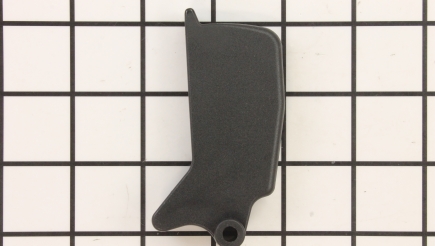
Pawls
When the starter turns, centrifugal force pushes the pawls outwards, where they lock onto the flywheel to start the engine. If a pawl becomes worn or broken, it will not be able to engage the flywheel and the engine will not turn over. This can cause your starter rope to pull too freely. To check the pawls, begin by removing the starter. Next, pull the starter rope and watch for the pawls to come out; they should fly right out. If not, they may be broken somewhere, or something is impacting their operation. Remove the center bolt and cap on the starter, then remove the pawls and inspect them for damage or signs of wear. If they're damaged, insert new pawls, re-install the center bolt and cap, then re-install the starter back onto the engine. ... Read more