




Power Tool Maintenance 101
Here's one of our older posts on maintaining power tools. Lots of useful information here, so I thought I'd share it on our new blog.
Power tools and other machines are designed for long life, but each requires some care and maintenance to meet its life expectancy. Properly storing power tools, performing maintenance as needed, and replacing machine parts will extend a tool's life to its full potential and deliver more value to its owner.
We offer some general tips and guidelines below for extending the life of any machine or power tool.
Proper Storage
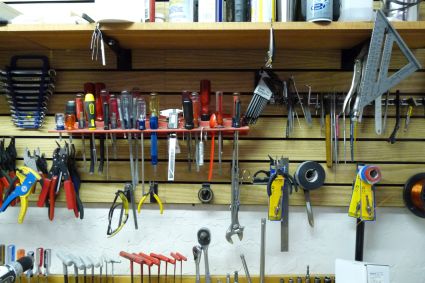
Our three guidelines for tool storage are:
1. Store tools in an area protected from the elements (like moisture).
2. Store tools in a clean and organized space.
3. Store tools in a well-ventilated area.
 These suggestions almost go without saying.
Keeping tools out of the elements protects them from damage and wear. A clean and organized storage space will promote safety, and keeping tools well-ventilated will help them run smoothly when it's time to pull them out of storage.
It might take a little extra time to put everything back in place at the end of the day or completion of a project, but storing tools the right way will always be worth the effort.
Care and Maintenance
Before being stored, most power tools can use a little cleaning and a couple of quick checks for damage or other problems. Here's some maintenance tips for keeping those tools in good shape:
These suggestions almost go without saying.
Keeping tools out of the elements protects them from damage and wear. A clean and organized storage space will promote safety, and keeping tools well-ventilated will help them run smoothly when it's time to pull them out of storage.
It might take a little extra time to put everything back in place at the end of the day or completion of a project, but storing tools the right way will always be worth the effort.
Care and Maintenance
Before being stored, most power tools can use a little cleaning and a couple of quick checks for damage or other problems. Here's some maintenance tips for keeping those tools in good shape:
 These suggestions almost go without saying.
Keeping tools out of the elements protects them from damage and wear. A clean and organized storage space will promote safety, and keeping tools well-ventilated will help them run smoothly when it's time to pull them out of storage.
It might take a little extra time to put everything back in place at the end of the day or completion of a project, but storing tools the right way will always be worth the effort.
Care and Maintenance
Before being stored, most power tools can use a little cleaning and a couple of quick checks for damage or other problems. Here's some maintenance tips for keeping those tools in good shape:
These suggestions almost go without saying.
Keeping tools out of the elements protects them from damage and wear. A clean and organized storage space will promote safety, and keeping tools well-ventilated will help them run smoothly when it's time to pull them out of storage.
It might take a little extra time to put everything back in place at the end of the day or completion of a project, but storing tools the right way will always be worth the effort.
Care and Maintenance
Before being stored, most power tools can use a little cleaning and a couple of quick checks for damage or other problems. Here's some maintenance tips for keeping those tools in good shape:
- Use a toothbrush and a soft cloth to wipe debris from power tool casings before storage.
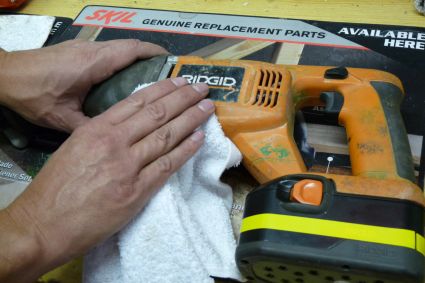
- If available, use an air compressor to clean out power tool vents. A little air will go a long way. When a machine or tool can breathe more, it will run cooler and wear more slowly. For an "Air Compressors 101" article-Click here.
- Lubricate power tool parts that need to be lubricated. Following instructions in the tool's user manual will help here.
- Check the parts that hold a tool together, screws, and other fasteners. Tighten up anything that might have been shaken loose during operation.
- Electrical cords should be checked with each use of a power tool. A bad power cord can be dangerous and should be replaced before the tool is used again. For more information about Power Cords-Click here.
- Keep blades and other cutting accessories sharp. Check bits and other accessories for wear and damage.
- Follow any other maintenance guidelines for a tool or machine explained in its user manual.

WRITTEN BY
EREPLACE CONTENT TEAM
Comprised of creative, experienced video producers, writers, and graphic designers, the eReplacementParts.com Content Team is focused on using their diverse knowledge base to create high-quality informative content to achieve our simple mission: Help the world fix things. Whether it be through tips, guides, or hacks, we ensure that every piece of content includes only expert knowledge, to guarantee that you can do the job right the first time!
PUBLISHED ON
June 25, 2012