



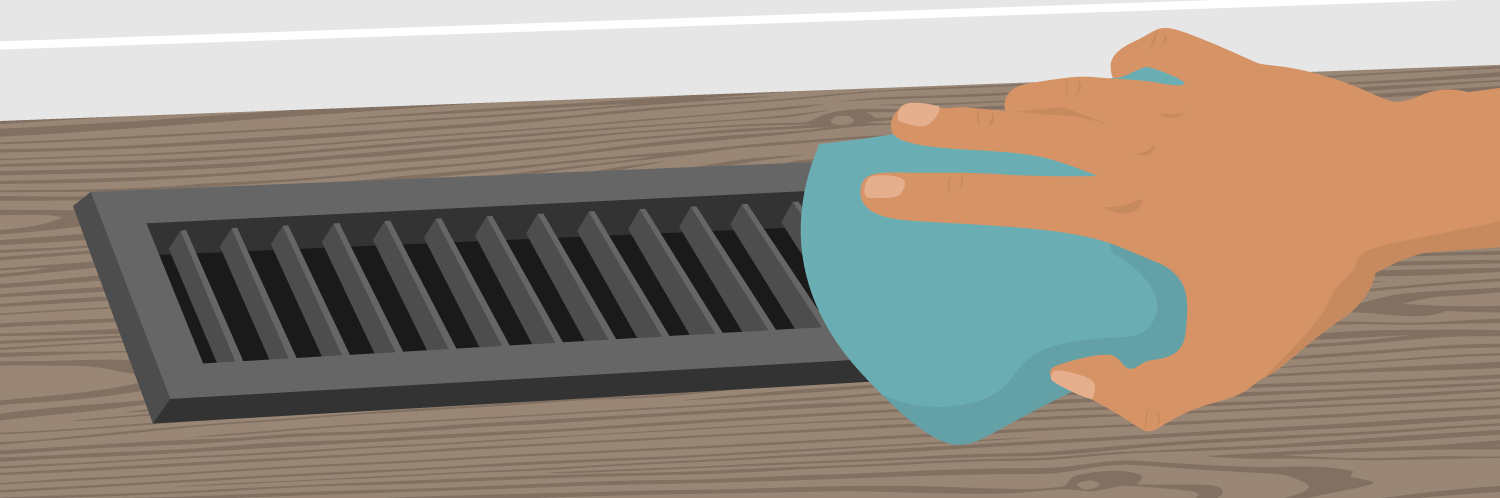
Preparing Your Furnace for Winter
As the days get shorter and the temperatures get cooler, it is unfortunately time to think about turning on your home heating system. Keeping your furnace properly maintained will help ensure it runs efficiently, which in turn will keep your home heating costs down. Your furnace should have a thorough inspection service done by a qualified professional, but we’re sharing some DIY tips so you can keep things running smoothly in between appointments.
How Do Furnaces Work?
Furnaces can run off natural gas, oil, propane, or electricity. Natural gas is one of the most used fuels but requires that lines are available in the area. Propane and oil tanks can be stored outside the home and filled by delivery trucks.
When the temperature in your home is lower than what your thermostat is set to, your furnace kicks in to heat your home. When this happens, an igniter is activated and fuel is released to the burner. With the burners ignited, the heat exchangers begin warming up and a blower fan moves the heat into the ducts, flowing throughout the house. Once the thermostat has reached the desired temperature, a signal is sent back to the control board to shut off the fuel source.
Electric furnaces do not require a chimney or flue pipe – since there is no combustion or carbon emissions, they are the cleanest of the options.
Steps to Prep Your Gas Furnace for Winter
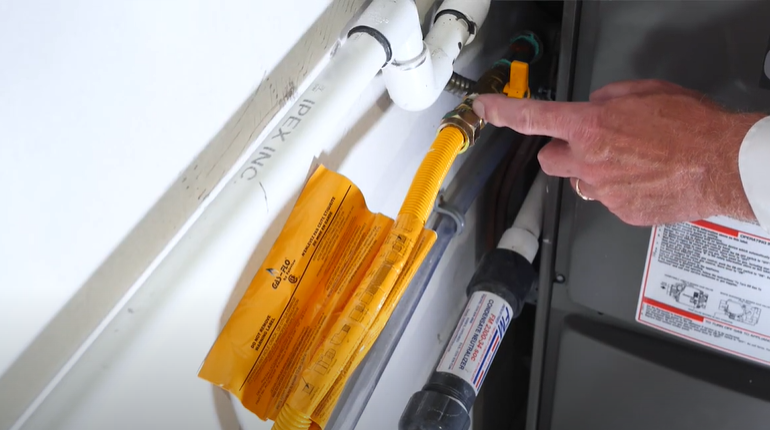
Check Gas Connections
The first thing to look at with your furnace is the gas connections. Look over the lines for any signs of leaks or cracks.
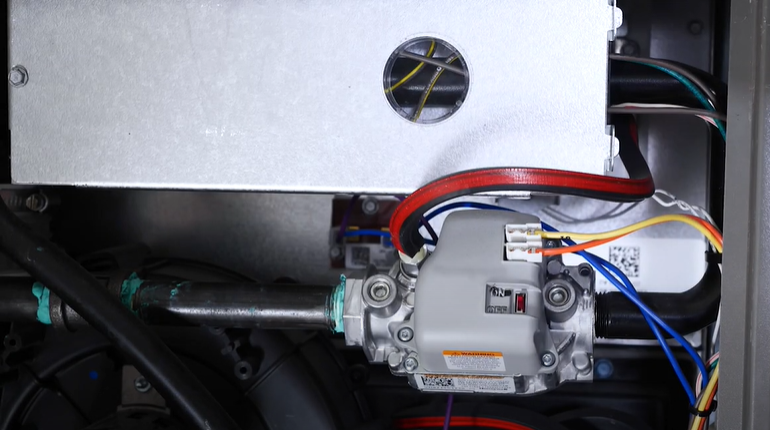
Check Electrical Components
Next, open up the front panel on your furnace so you can inspect the electrical components. Look for signs of arcing or corrosions, and make sure that all the terminal connections are tight.
Check the Air Filter
This is one of the easiest tasks that you should be checking regularly. The air filters should be replaced at least twice during the heating season, and even more often if they’re quite dirty or clogged when you inspect them.
Check the Duct Work
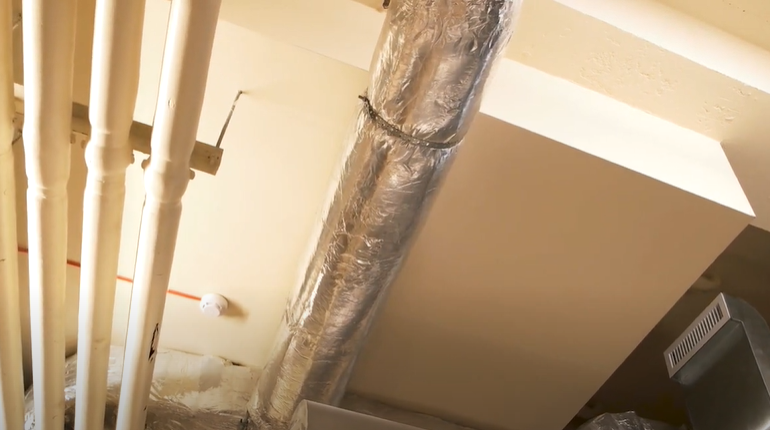
Inspect the ducts near the furnace, looking for air leaks, and tape those up with foil tape if found. You should also make sure the vents throughout your home are cleaned regularly to keep dust and debris out to ensure adequate airflow.
Turn the Furnace On
Check to make sure the furnace fires up quickly. There shouldn’t be any noises from the blower fan or inducer motor – get professional help if so.
These are some easy and important components to check over on your furnace throughout the season to help ensure it’s working properly.
Oil Fired Furnaces
While the majority of homes use natural gas or electricity for their heat source, there are still numerous properties that rely on an oil-fired furnace. More maintenance is required for oil furnaces compared to gas, due to the amount of soot and buildup they produce. Your oil furnace should be serviced at least annually by a qualified professional, ideally before the heating season starts. By nature, an oil furnace is less efficient than a gas one, so making sure it is properly maintained will help ensure it is running as efficiently as possible. In between service appointments, there are still tasks and regular inspections you can complete to keep things running smoothly. Clean or replace the oil filter and air filter, look over lines and ducting for any leaks, and keep your floor vents clean so there’s proper airflow.
Be sure to have your oil tank filled prior to the heating season, and determine a schedule for top-ups depending on your home’s use. If your tank is located outside, be sure to keep a clear path so the driver can access it. If your tank is inside, again, ensure that access to the fill pipes is unobstructed.
Further Tips
Using your ceiling fan in the winter can help to circulate the warm air throughout your home – just make sure it turns in a clockwise direction.
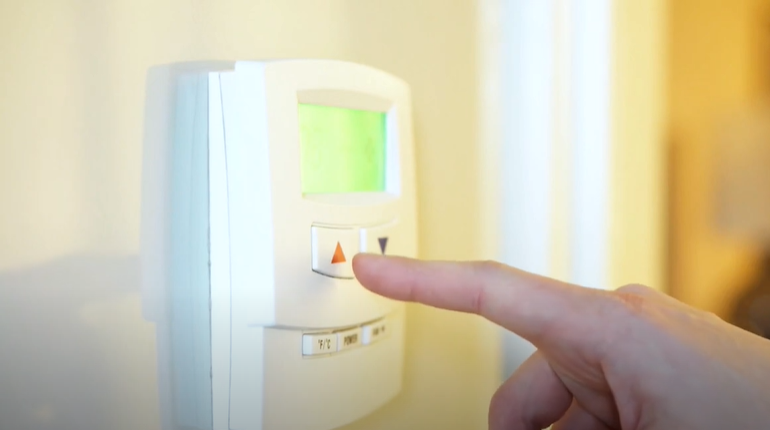
Try turning the thermostat down by one or two degrees to help save money. Many furnace systems can be used with a smart thermostat for optimal efficiency.
If you have a gas-fired furnace, keep your family safe by also having a carbon monoxide detector in the home. Ensure that it is working properly and replace batteries if needed.
If you need replacement parts for your HVAC system, be sure to search for your model number on our site. Subscribe to our YouTube Channel so you stay up to date on all our repair and DIY content.

WRITTEN BY
EREPLACE CONTENT TEAM
Comprised of creative, experienced video producers, writers, and graphic designers, the eReplacementParts.com Content Team is focused on using their diverse knowledge base to create high-quality informative content to achieve our simple mission: Help the world fix things. Whether it be through tips, guides, or hacks, we ensure that every piece of content includes only expert knowledge, to guarantee that you can do the job right the first time!